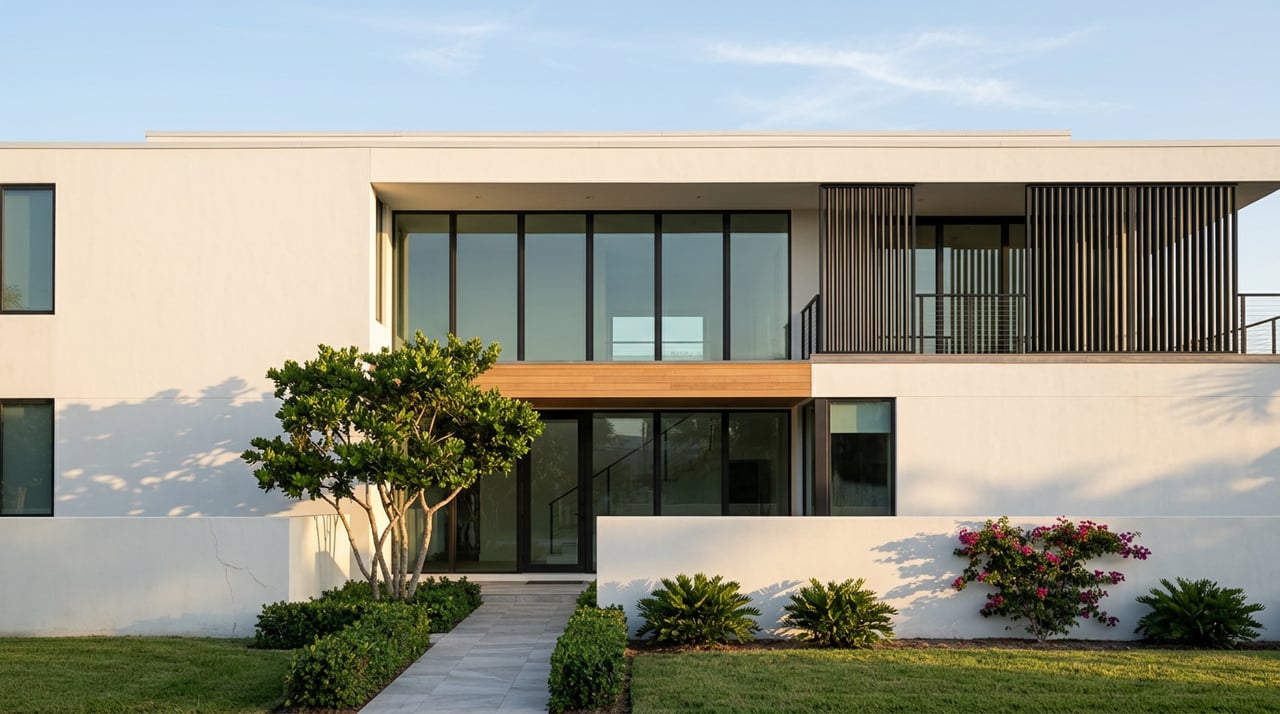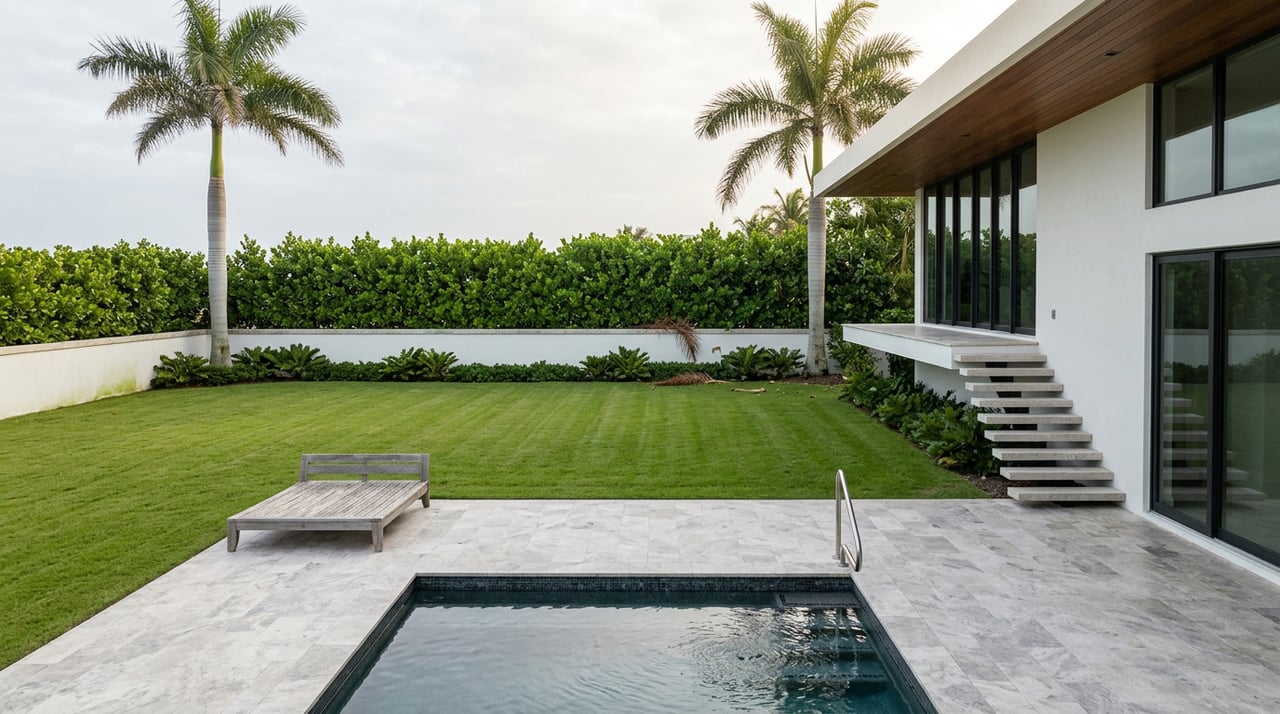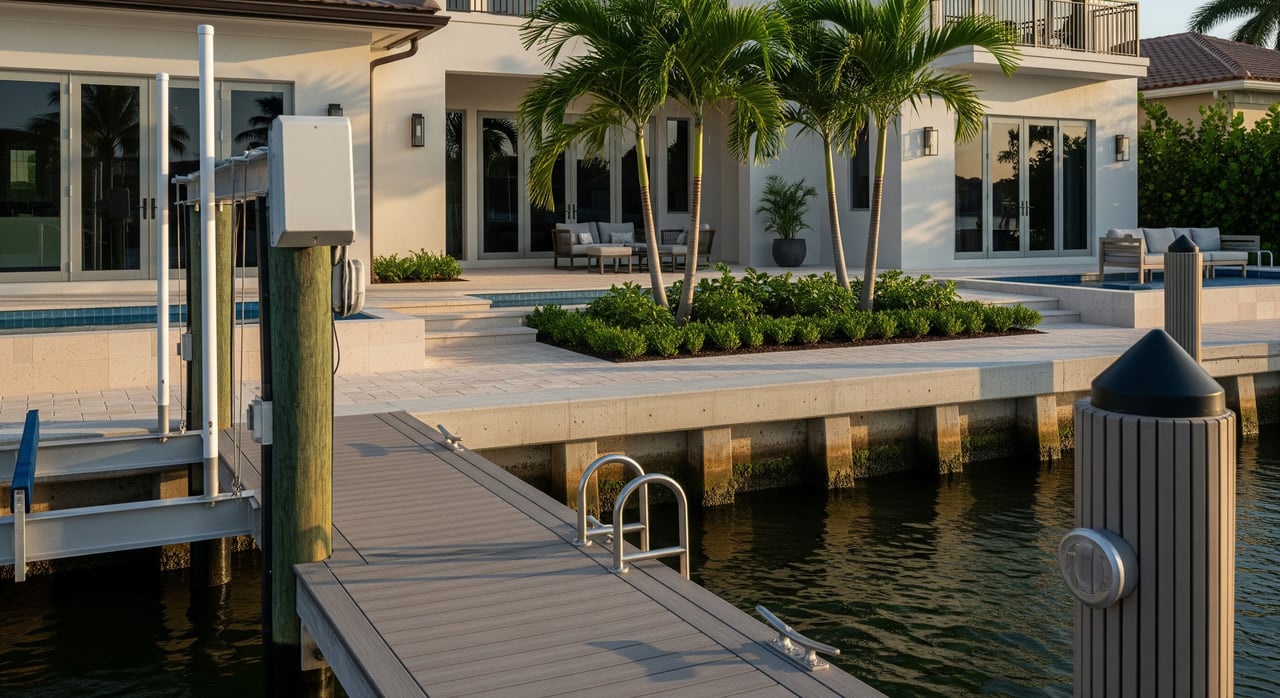
Salt air, strong sun, and storm seasons can be tough on a waterfront home. If you own or are buying in Lighthouse Point, you already know the view is priceless. You also know the environment demands a different maintenance playbook than inland properties. In this guide, you’ll learn practical steps to protect your seawall, dock and lift, roof, windows and doors, and exterior finishes so you can preserve value and avoid surprise repairs. Let’s dive in.
Waterfront environment in Lighthouse Point
Lighthouse Point sits on the Intracoastal and a network of canals, which means constant salt air, high humidity, and seasonal tropical systems. That mix accelerates corrosion, weathering, and wear. Regional planning efforts and federal data highlight rising sea levels and higher nuisance flooding in South Florida, so expect more frequent inspections and proactive planning over time. Treat your home like a small marine facility and you will stay ahead of issues.
Permits and rules to know
Before you repair or replace anything along the water, confirm permitting. The City of Lighthouse Point Building Department oversees local permits for roofs, windows and doors, docks, and shoreline attachments. Broward County may also regulate canal work and environmental protections. Larger shoreline projects can involve the Florida Department of Environmental Protection and the U.S. Army Corps of Engineers. Impact-rated products and roofing must meet Florida Building Code coastal wind requirements. FEMA flood maps and the National Flood Insurance Program can influence mitigation choices and insurance. When in doubt, ask first. Unpermitted work in or near the water can result in fines and required restoration.
Seawalls: what to inspect
Your seawall protects the land behind it. Small problems can become emergencies if you miss early signs.
Homeowner checklist
- Look for leaning, bulging, or settlement along the wall or cap.
- Note vertical or horizontal cracks, gaps at joints, or exposed foundations at the waterline.
- Watch for sinkholes or persistent ponding behind the wall, especially after storms.
- Check for erosion at the base. Scour at the toe is a frequent cause of sudden failure.
Maintenance basics
- Seal minor cracks and joints promptly to keep water out.
- Keep upland drainage away from the wall. Redirect downspouts and adjust grading.
- Avoid deep-rooted trees near the wall and keep the toe area visible for inspection.
- Scour protection such as riprap or a stone toe needs professional design and likely permits.
Professional help and planning
- Schedule an annual or biennial inspection by a marine or structural professional, and always after high-water or vessel impacts.
- Document age, materials, and past work. Lifespan varies by design and environment, so build reserves for periodic major repairs or replacement.
Docks and lifts: care basics
Docks face sun, salt, marine growth, and constant movement. Boat lifts add mechanical and electrical exposure to the same harsh conditions.
Homeowner checklist
- Test decking and framing for soft spots or movement. Tighten loose fasteners.
- Look for rusted hardware, cracked or spalling concrete piles, and excess marine growth.
- Listen for irregular lift operation and inspect cables, rollers, and brackets.
- Check all electrical elements for corrosion, proper GFCI protection, and intact wiring.
Maintenance basics
- Clean marine growth on a regular schedule. Use licensed in-water services where required.
- Replace sacrificial anodes and recoat metal with marine-grade protective systems.
- Lubricate lift components as the manufacturer recommends.
- Use 316 stainless or hot-dipped galvanized hardware suited to marine exposure.
Professional service
- Have a qualified lift technician service the lift annually or semiannually.
- Get a professional dock and piling inspection every one to three years, depending on materials and condition.
Roofing: coastal upkeep
Coastal wind loads and salt spray can age roofs faster if you let small issues linger.
Homeowner checklist
- Inspect twice a year and after storms. Look for missing or lifted shingles or tiles.
- Check flashing, ridge caps, and fasteners for rust or wear, especially at edges.
- Look for water stains in the attic and check ventilation to prevent condensation.
Maintenance basics
- Replace failed flashing and sealants. Clear debris from valleys and gutters.
- For metal roofs, check coatings and fasteners; for tile, replace broken tiles and monitor underlayment condition.
- Use licensed contractors familiar with Florida Building Code wind requirements when repairing or replacing.
Windows and doors: impact care
Impact-rated windows and doors protect your building envelope, but their performance depends on seals and hardware.
Homeowner checklist
- Look for fogging between panes that indicates seal failure.
- Test operation of sashes and sliders and inspect tracks.
- Check exterior caulking and locking hardware for wear or corrosion.
Maintenance basics
- Lubricate tracks and hinges and re-caulk perimeters annually or when sealant fails.
- Touch up exposed metal frames with compatible protective coatings.
- Keep installation certificates and product approvals for insurance credits and future sales.
Finishes and metal: fight corrosion
Salt air accelerates corrosion on ferrous metals and stresses many coating systems.
Best practices
- Favor marine-grade metals like 316 stainless or hot-dipped galvanized steel, and avoid mixing incompatible metals that can cause galvanic corrosion.
- Use coating systems rated for severe coastal exposure, such as epoxy primers with polyurethane topcoats.
- Choose rot-resistant or pressure-treated wood, or composites where appropriate.
Maintenance basics
- Rinse exposed metal and painted surfaces with fresh water regularly to remove salt.
- Inspect stainless hardware and replace sacrificial anodes where used.
- Recoat per manufacturer schedules and touch up promptly when you see chips or rust bloom.
Corrosion and marine growth
Saltwater and organisms like barnacles, oysters, algae, and wood borers attack structures below and near the waterline.
- Select alloys and coatings designed for marine use and maintain them on a schedule.
- Use approved antifouling strategies and mechanical cleaning, and follow local environmental rules for in-water work.
- Fresh-water rinsing of exposed components, weekly to monthly depending on exposure, slows corrosion.
Budgeting, insurance, planning
Waterfront homes require higher reserves because materials wear faster in salt air. Plan for routine care, periodic professional inspections, and occasional capital projects like seawall or roof replacement. Keep a property file with construction details, photos, permits, and maintenance receipts. Flood and wind insurance, deductibles, and mitigation improvements like impact openings will affect premiums, so keep installation documents for credits. With sea levels rising, expect to revisit drainage, seawall height, and elevation strategies during long-term upgrades.
When to call a pro
Some signs require immediate professional attention:
- Sudden tilt or lateral movement of a seawall, visible undermining, or washouts.
- Significant sagging or cracking in dock structures or piles.
- Structural roof damage, rapid interior leaks, or compromised roof framing.
- Damaged electrical equipment near water or lift components that show corrosion affecting safe operation.
Simple maintenance calendar
Use this quick, recurring schedule to stay ahead.
Monthly to quarterly
- Rinse salt from exposed metal rails, door hardware, and painted surfaces.
- Inspect dock decking and tighten loose boards or hardware.
- Check gutters and downspouts and confirm drainage is not aimed at the seawall.
Biannual (spring and fall)
- Do a roof walk-around from the ground and attic check for stains.
- Test window and door operation and inspect exterior caulk.
- Clean piling growth where allowed by local rules.
Annual
- Schedule a professional seawall and dock inspection.
- Service boat lifts with a certified technician and replace worn cables or rollers.
- Touch up coatings, stain decks, and review insurance coverage and documents.
After storms or high water
- Document conditions with photos before cleanup.
- Look for movement, scour, or unusual cracking and avoid walking on unstable structures.
- Call a qualified professional if you see any of the red flags above.
Your next step
Waterfront living rewards a proactive mindset. By inspecting on a schedule, addressing small issues early, and confirming permits before work, you reduce risk and protect resale value. If you are weighing upgrades or preparing to buy or sell on the water in Lighthouse Point, connect with a team that understands coastal assets, local rules, and luxury market expectations. Reach out to the GK Group to align your property plan with your goals.
FAQs
How often should you inspect a Lighthouse Point seawall?
- Schedule a professional inspection annually or every two years, and immediately after storms, vessel impacts, or any signs of movement or undermining.
What permits apply to dock or seawall work in Lighthouse Point?
- Expect City of Lighthouse Point permits, with possible Broward County, Florida DEP, and U.S. Army Corps requirements for in-water or shoreline work and environmental protections.
Which fasteners are best for coastal docks and lifts?
- Use 316 stainless or hot-dipped galvanized hardware designed for marine exposure and avoid mixing metals that can trigger galvanic corrosion.
Do impact windows need special documentation for insurance?
- Yes. Keep product approvals and installation certificates to support credits under Florida insurance and for future buyer confidence.
How should you plan a maintenance budget for a waterfront home?
- Maintain higher reserves than inland homes for routine care, periodic professional inspections, and occasional big projects like seawall or roof replacement.