Are you torn between a high-rise condo and a low-rise home in Sunny Isles Beach? You want the ocean lifestyle, strong long-term value, and a property that fits how you actually live. This guide breaks down lifestyle, costs, risk, financing, rentals, and resale factors so you can choose with clarity. Let’s dive in.
Sunny Isles living at a glance
Sunny Isles Beach is a slim barrier island in northeast Miami-Dade, framed by the Atlantic and Biscayne Bay. The city is known for luxury oceanfront towers with full-service amenities along Collins Avenue. You will also find low-rise condos and townhomes on the west side, plus very limited single-family options due to scarce land.
Prices and demand vary by building, location, and brand. Oceanfront towers often attract international cash buyers, while townhomes and single-family options command premiums for privacy and outdoor space. Your outcome depends on building reputation, association health, and unit specifics like floor, line, and view.
What condos offer
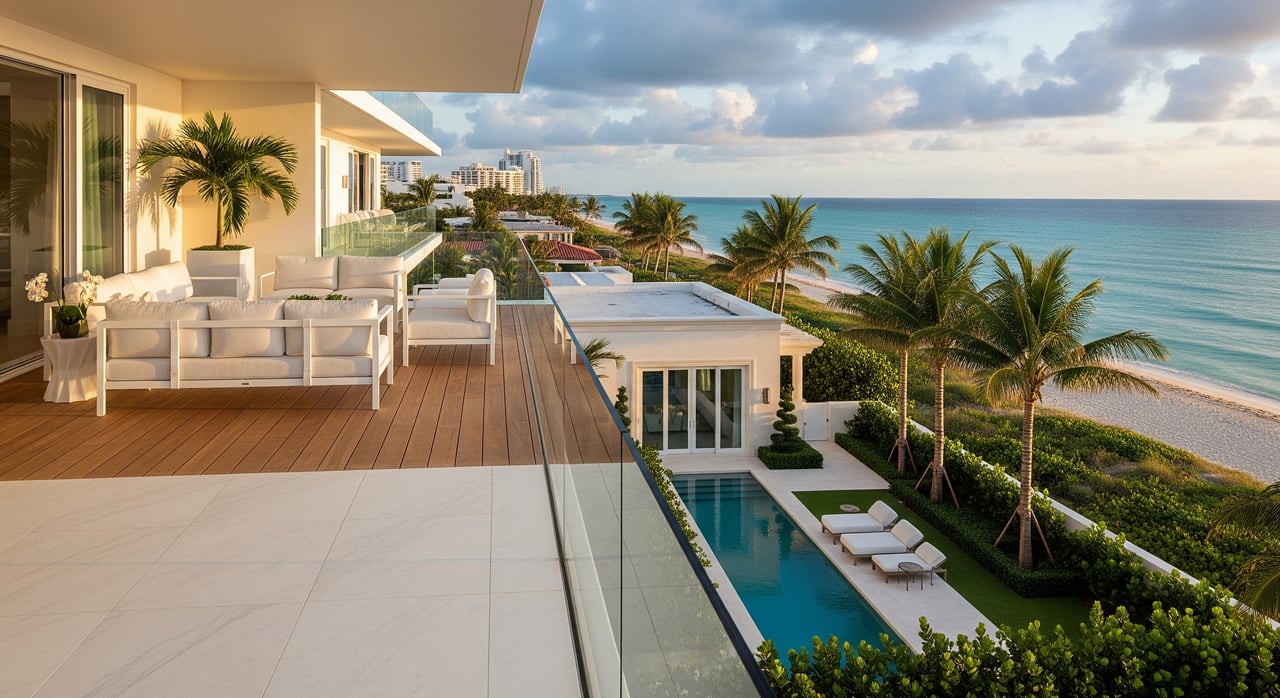
Luxury high-rises deliver a resort-style, low-maintenance lifestyle. Many buildings provide 24/7 security, concierge, valet, multiple pools, private beach service, on-site gyms and spas, and social spaces for entertaining. Building staff handles exterior upkeep, common areas, and many day-to-day tasks.
Vertical living can mean elevator dependence and more shared walls. Views and privacy vary by floor and orientation. If you value convenience, services, and a vibrant, social environment, a high-rise condo can be a strong fit.
What townhomes and homes offer
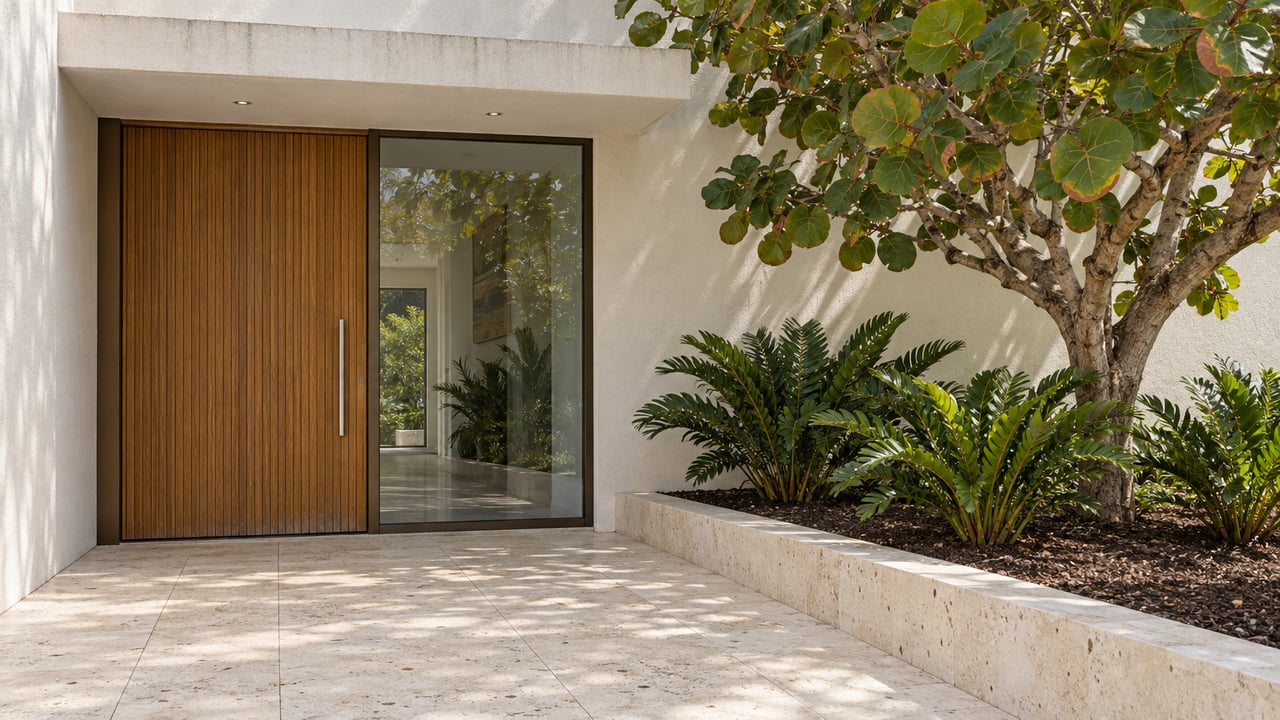
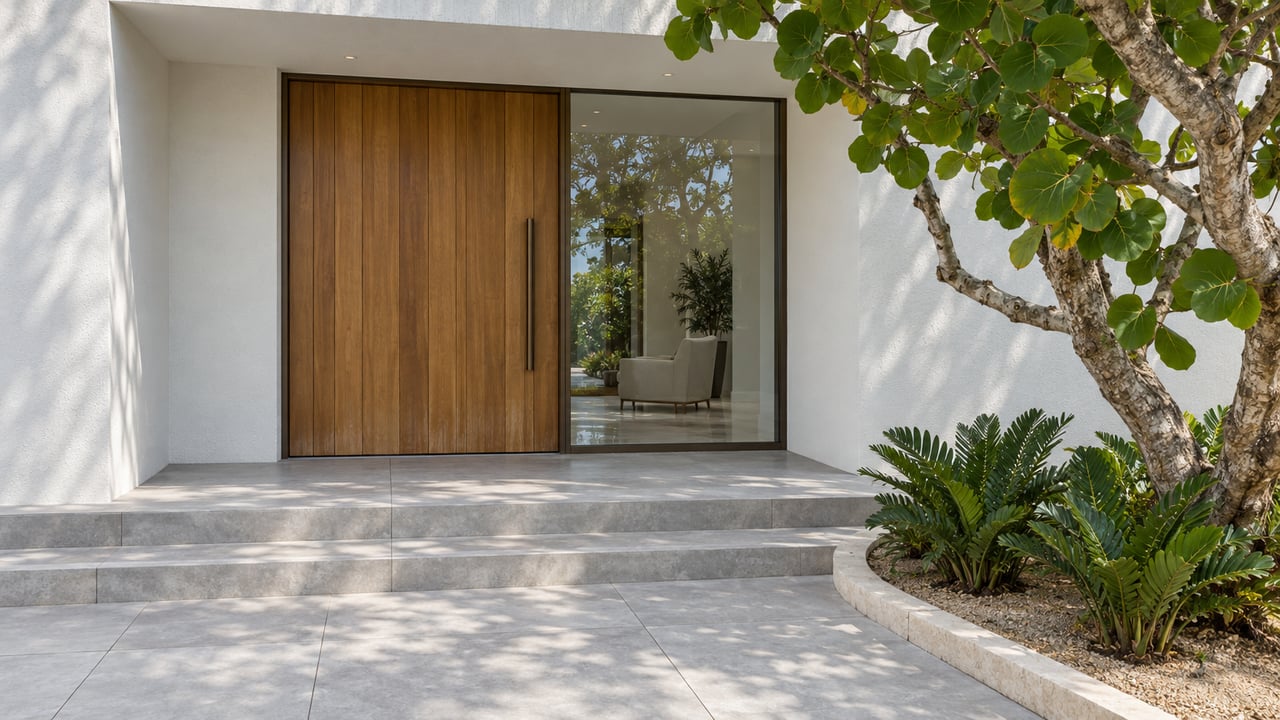
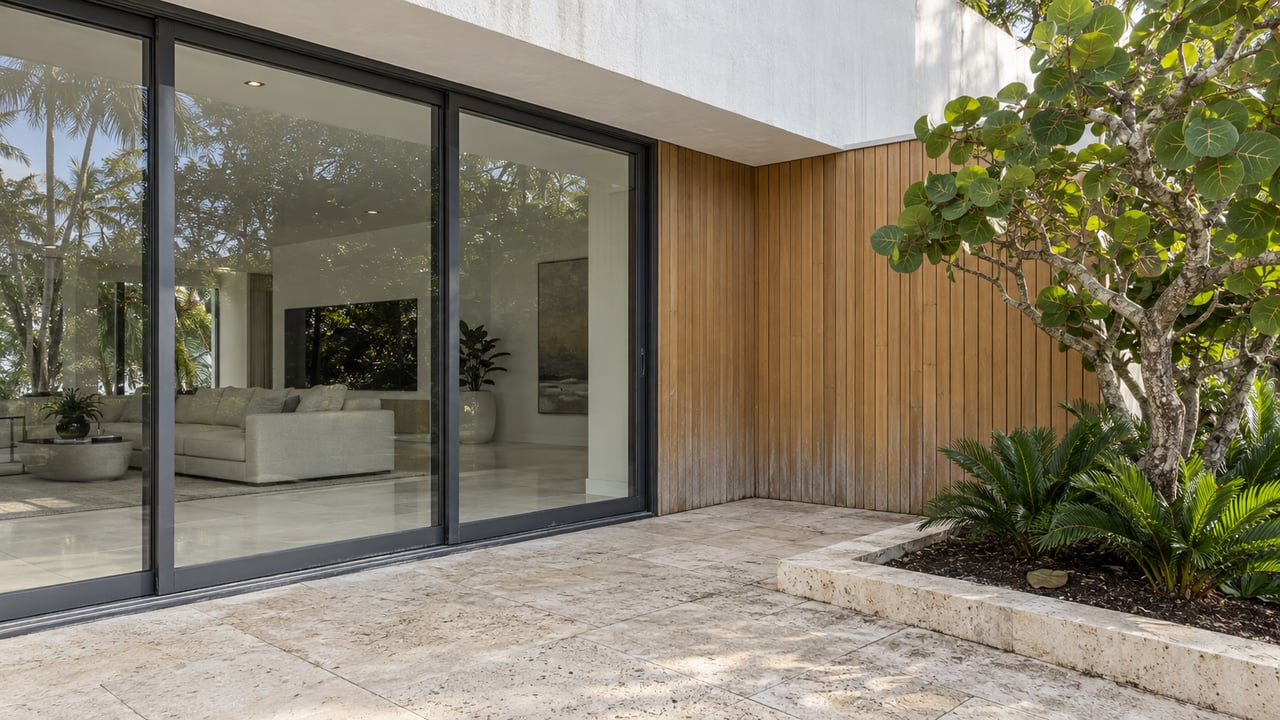
Low-rise condos, townhomes, and the few single-family homes offer more privacy and direct access. You can enjoy private patios or yards, easier in-and-out, and fewer shared systems. These layouts often suit owners who want outdoor living, space for pets, or less time in elevators.
Amenities are lighter than luxury towers, though some communities have pools or small gyms. Maintenance responsibility also shifts. In a townhome HOA, some exterior work may be covered. In a single-family home, you usually handle most exterior upkeep yourself.
Cost and fees to expect
Monthly association fees reflect the level of service. Full-service oceanfront towers often carry higher fees to support security, staff, common utilities, insurance, reserves, and amenities. Lower-amenity low-rise buildings and many townhomes can have more modest fees.
Review reserve funding and past assessments closely. Older buildings or those with deferred maintenance can levy special assessments for large capital projects. Ask for the most recent budget, reserve study, financials, and any history of assessments to understand total carrying costs.
Insurance and coastal risk
As a barrier-island community, Sunny Isles Beach faces flood, wind, and storm surge risk. In a condo, the master policy typically covers exterior structure and common areas, while you carry an HO-6 for interiors and personal property. Know the master policy deductible, since it can be large after a wind event.
Many properties sit in FEMA high-risk flood zones. If you finance, flood insurance may be required. Windstorm and hurricane coverage is a major factor in Florida, and premiums can change with market conditions. Obtain quotes for HO-6, flood, and wind coverage early so you can lock in realistic numbers.
Financing and qualification
Luxury oceanfront condos often require jumbo financing or cash. Lenders review project eligibility, association reserves, budgets, owner-occupancy levels, and any litigation. Buildings with strong financials and governance can make financing smoother.
FHA and VA approvals are limited in many luxury towers, so buyers typically use conventional or jumbo loans. Foreign buyers may face larger down payments or fewer U.S. financing options and often purchase with cash or international financing.
Rentals and short-term rules
Rental ability is governed by both city rules and your building’s bylaws. Many luxury associations restrict or prohibit short-term rentals and may require minimum lease terms. Some buildings also have waiting periods before you can rent after purchase.
If income potential matters, obtain the association’s rental policy, including minimum terms and any caps. Confirm current municipal rules and business licensing requirements. Align your plan with both sets of policies before you commit.
Post-Surfside safety and transparency
Florida strengthened condo safety standards after the Surfside collapse. There is more emphasis on structural inspections, engineering recertification, and reserve transparency, especially in older buildings. This is a positive for safety, but it can lead to higher reserves or assessments if major work is needed.
Request recent engineering reports, recertification status, and board minutes that discuss structural items. Strong documentation is a sign of a proactive association and can support long-term value and financing.
Climate and long-term resilience
Coastal properties face evolving conditions, including sea level rise and higher tide events. Ask about building elevation, flood zone, and any resilience measures like raised mechanicals or improved stormwater systems. City and county initiatives can also influence future mitigation.
Insurance costs and availability may shift with climate trends. Plan for change by reviewing elevation certificates, insurance options, and the building’s long-term capital plans for resilience.
Resale drivers to watch
Resale outcomes hinge on building brand, location, condition, views, parking, storage, and association health. Iconic or well-managed towers can command premiums but may be more sensitive to luxury market cycles. Scarce single-family or townhome stock can hold value where demand for privacy and outdoor space remains strong.
Look for stable association finances, recent capital improvements, and competitive amenities. Unit-specific features like line, view corridor, and private elevator entry can influence demand within the same building.
Due diligence checklist
Before you make an offer, request and review:
- Current budget, latest audit or financials, reserve study, and insurance policies, including master policy deductible.
- Association rules and bylaws, focusing on rentals, pets, and investor restrictions.
- Board minutes for the past 12 to 24 months, plus any history of special assessments or litigation.
- Engineering and structural reports, recertification status, and any planned capital projects.
- Elevation certificates and flood zone data for insurance planning.
- Comparable sales in the building and nearby low-rise or single-family options.
- Insurance quotes for HO-6, flood, and wind coverage.
- If financing, lender confirmation on project eligibility, down payment, and condo review requirements.
Decision guide: match your goals
Use this quick framework to align property type with your priorities:
- Choose a high-rise condo if you want a full-service, low-maintenance lifestyle with beach access and robust amenities, and you accept higher monthly fees.
- Choose a townhome or single-family if you want private outdoor space, direct access, and more control over your property, and you accept added maintenance.
- Choose buildings with flexible rental rules only if rental income is a core part of your plan, and confirm both city and association policies in writing.
- If you are an international buyer, plan for different financing options and cross-border tax and estate considerations. Consider cash or lenders familiar with foreign nationals.
How to move forward
Focus on building-by-building evaluation rather than the label of condo or home. The right choice in Sunny Isles Beach balances lifestyle, risk, costs, and exit strategy. Start with a shortlist, get documents in hand, and pressure test insurance and financing early.
If you want a broker-led, boutique experience and local guidance tailored to luxury buyers, connect with the team at the GK Group for a confidential market consultation.
FAQs
What should I compare first when choosing a Sunny Isles condo vs. home?
- Start with lifestyle needs, association rules and financials, insurance costs, and how each option supports your exit strategy and long-term value.
How do condo fees in Sunny Isles Beach typically differ from townhomes?
- Full-service towers often have higher monthly fees due to staff, amenities, and reserves, while many low-rise or townhome communities have lighter services and lower fees.
Do I need flood insurance in Sunny Isles Beach?
- Many properties are in FEMA high-risk flood zones; if you finance, lenders may require flood coverage, so get quotes early to confirm carrying costs.
Are short-term rentals allowed in Sunny Isles Beach condos?
- Rules vary by city and building; many luxury associations restrict short-term rentals or require minimum lease terms, so verify policies before you buy.
What changed for condo safety after Surfside, and why does it matter?
- Florida increased structural inspection and reserve requirements, which improves transparency and safety but can impact assessments and monthly carrying costs.