Thinking about a Sunny Isles Beach condo and wondering what day-to-day life really feels like? You are not alone. Many buyers come from out of the area or overseas and want a clear picture before they commit. In this guide, you will learn how high-rise living works, what amenities are typical, how associations handle rules and fees, and what to check before you buy. Let’s dive in.
Why Sunny Isles Beach stands out
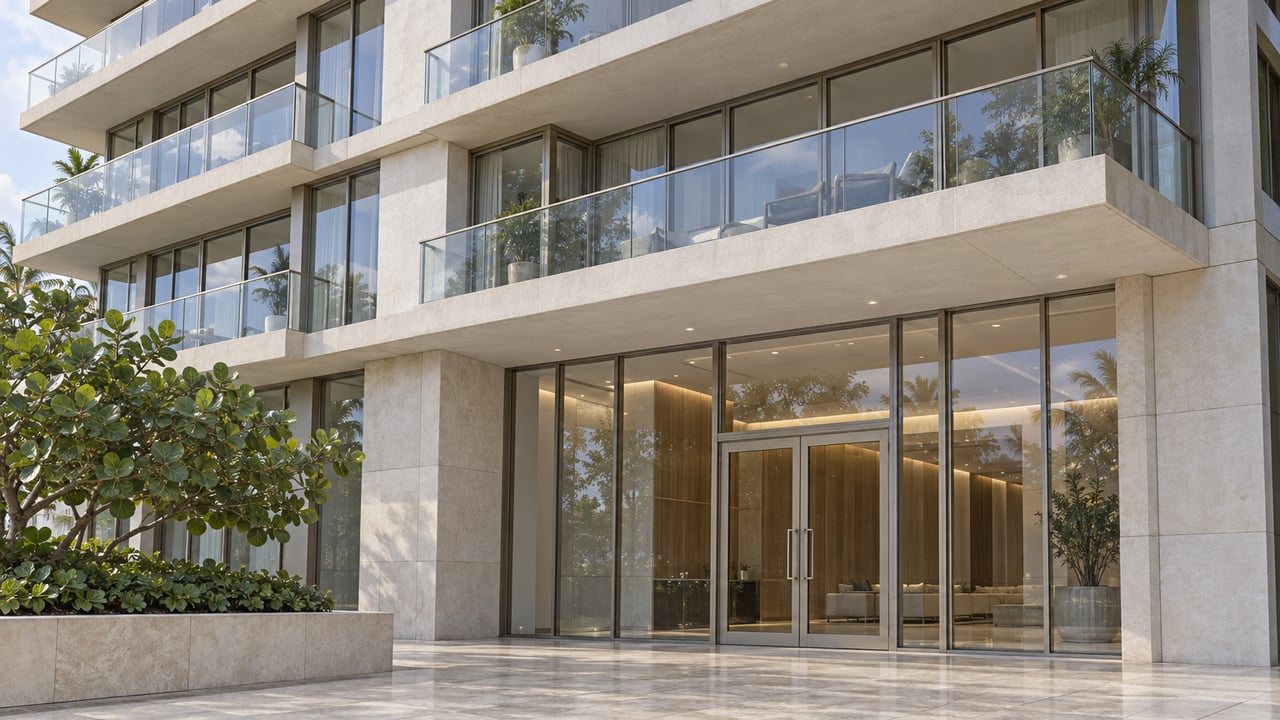
Sunny Isles Beach is a barrier-island city known for luxury high-rises, resort-style amenities, and an international owner base. You will find a mix of brand-new ultra-luxury towers and older, more accessible buildings. Many owners use their condos as seasonal homes or investments, so the pace can feel livelier in winter months. The market varies by building, which makes local due diligence essential.
High-rise living: services and daily flow
Full-service living is the norm in many towers. Expect staffed lobbies, 24/7 security, and concierge support for guest coordination, deliveries, and basic reservations. Valet parking is common for guests, and owners often have deeded garage spaces. Your daily routine may include a quick stop at the front desk for packages, a workout or spa visit, and a walk to the beach club for chair and towel service.
What the lobby team handles
- Greeting and verifying guests
- Managing package intake and notifications
- Coordinating vendor and delivery access
- Handling valet tickets and basic concierge requests
Amenities you can expect
Newer luxury buildings often go well beyond a simple pool and gym. You may see multiple resort pools, private beach access, full-service spas, on-site restaurants or cafés, business centers, and club-style lounges. Some towers offer private elevators, screening rooms, wine rooms, and children’s play areas. Amenity quality and staffing levels vary by building, which directly affects monthly fees.
Older vs. newer towers
- Older buildings may have fewer amenities and lower fees, with more modest finishes.
- Newer towers tend to deliver hotel-like services and larger amenity decks.
- Maintenance and reserve funding are key for both, especially near the ocean.
Parking, guests, and deliveries
Most units include at least one deeded parking space. Guest parking is usually managed by valet and can be limited during peak times. If you host often, review guest parking rules, fees, and time limits before you buy. Ask how packages are handled and whether there are storage lockers or dedicated package rooms.
Pet policies and building rules
Many luxury buildings allow pets, but rules differ on size, number, and breed. You will need to review the building’s declarations and house rules for exact policies. Some buildings require registration, deposits, or elevator etiquette for pets. Get clarity upfront so your lifestyle aligns with the building culture.
HOA basics and monthly costs
Condominium associations set monthly assessments that cover staffing, utilities for common areas, insurance, and reserves. Beachfront towers with extensive amenities and full-time staff often have higher fees than inland buildings. Associations can levy special assessments for capital projects or major repairs. Review the current budget, reserve study, and recent meeting minutes to understand trends and any planned projects.
Essential documents to review
- Current operating budget and most recent reserve study
- Board meeting minutes from the last 12–24 months
- Insurance summary for the master policy and any recent claim history
- Declarations, bylaws, and house rules
- Current estoppel letter to verify assessment status
Rental rules and short-term options
Short-term rental rules are set by each condo association and may also be subject to local ordinances. Do not assume short-term rentals are allowed, even if neighboring buildings permit them. Minimum lease terms, owner occupancy thresholds, and registration steps can change. Verify current rules in the declarations and ask about any recent board updates.
Getting around and access to Miami
Collins Avenue is the main corridor through Sunny Isles Beach and connects to major routes into Miami and surrounding cities. Driving is the most common way to get around, and rideshares and private car services are widely used. Miami-Dade buses and local shuttles serve the area, but routes and schedules can shift. Travel times to downtown and the airports vary with traffic and time of day.
Beach access and club culture
Many buildings offer private or semi-private beach access with chair and towel service for residents and guests. Some towers have on-site beach clubs, while others partner with third-party operators. You will also find public access points and lifeguarded areas along the coastline. If beach days are central to your routine, confirm exactly what your building provides and any membership or usage fees.
Risks and resilience: storms and structure
Sunny Isles Beach sits on the Atlantic, so hurricane and flood exposure are real considerations. Newer towers often feature impact-rated glass and elevated mechanical systems, but building specifics vary. Ask for the building’s hurricane plan, generator details, and past storm repair history. Flood insurance is separate from standard condo coverage and is common for loans and risk management.
Post-Surfside environment
Following the nearby Surfside tragedy, inspections and structural oversight have increased across Florida. You should review recent engineering reports, exterior condition assessments, and any scheduled façade or structural work. Reserve funding and planned projects can affect both future assessments and resale value. A careful review of documents helps you avoid surprises.
Smart buyer checklist
Use this quick list to stay organized as you evaluate buildings and units:
- Building governance and finances: budget, reserve study, meeting minutes, estoppel
- Structural and safety: recent engineering reports, inspection compliance, planned repairs
- Insurance: master policy summary, deductibles, past claims, HO-6 requirements
- Amenities and fees: full list of amenities, beach club costs, parking and storage assignments
- Rules and lifestyle: rental policy, pet rules, guest parking, delivery procedures
- Risk profile: flood zone, hurricane plan, backup power, elevation details if available
- Legal and claims: active litigation, construction defect issues, or enforcement actions
- Resale factors: monthly fees relative to services, rental flexibility, and building reputation
International buyer notes
International buyers are a significant part of the Sunny Isles market. Ownership is allowed, and many purchases are cash, but financing standards and documentation can differ by lender. Tax and reporting rules around rental income and eventual sale proceeds can be complex. Engage cross-border legal and tax advisors early so your structure matches your goals.
How the right advisor makes this easier
In Sunny Isles Beach, the building you choose defines your lifestyle and cost profile. A credentialed, detail-driven advisor helps you compare service levels, fee structures, and building health so you can buy with confidence. If you want guidance tailored to your timeline and preferred amenities, connect with the team that treats every step with white-glove care. Request a confidential consultation with the GK Group to map your move.
FAQs
What is daily life like in a Sunny Isles high-rise?
- Many buildings offer staffed lobbies, valet, resort pools, fitness and spa facilities, and direct beach access, so day-to-day living feels similar to a private resort.
How do HOA fees work in beachfront towers?
- Monthly assessments fund staffing, amenities, maintenance, insurance, and reserves, and they tend to be higher in full-service beachfront buildings that operate like resorts.
Are short-term rentals allowed in Sunny Isles condos?
- It depends on the building and any local rules; review the association’s declarations and recent board policies because minimum lease terms and registration rules vary.
What should I confirm about hurricane protection?
- Ask about impact-rated windows or shutters, backup power, emergency planning, and past storm repairs, and confirm the flood zone and insurance requirements.
Is guest parking easy for friends and family?
- Owners usually have deeded spaces, while guests use valet that can be limited at peak times, so review guest parking rules, fees, and time limits before you buy.
Do international buyers face ownership restrictions?
- Non-U.S. residents can purchase, but financing, tax, and reporting requirements differ, so involve cross-border legal and tax advisors early in the process.