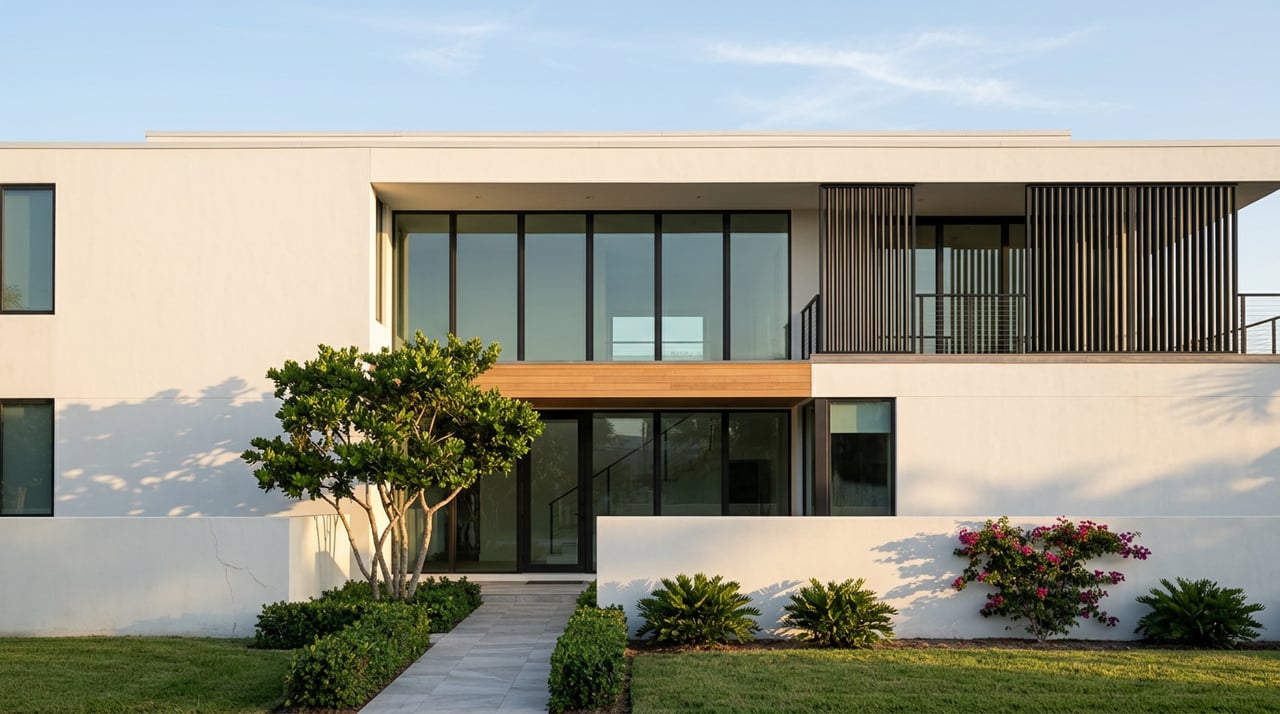
Dreaming about a place by the ocean where you can escape winter, enjoy walkable beach access, and still protect your long-term value? Buying a vacation home in Lauderdale-by-the-Sea can offer that balance, but this small coastal town comes with a few important rules and tradeoffs. If you are weighing lifestyle, rental potential, and property type, this guide will help you sort through what matters most before you buy. Let’s dive in.
Why Lauderdale-by-the-Sea Appeals
Lauderdale-by-the-Sea stands out because it feels smaller and quieter than many nearby beach markets. The town covers about 1.5 square miles between the Atlantic Ocean and the Intracoastal Waterway, with about 6,056 permanent residents and a seasonal winter population that rises above 10,000.
That seasonal pattern matters if you are shopping for a second home. It tells you that winter is the clearest high-use season for owners and one of the strongest periods for occupancy appeal if you plan to rent your property when you are away.
The town also leans into a distinct coastal lifestyle. It highlights beach portals, snorkeling, diving, and a living reef within 100 yards of shore, which gives the area a more intimate, beach-centered identity than a larger resort corridor.
What Makes LBTS Different
Compared with nearby Fort Lauderdale Beach, Lauderdale-by-the-Sea feels more low-key and residential. Fort Lauderdale Beach is tied to a broader hotel, event, and nightlife scene, while Lauderdale-by-the-Sea reads as a calmer alternative for buyers who want a more relaxed beach-town experience.
That difference can shape your purchase decision in a big way. If your idea of a vacation home includes quieter surroundings and a smaller-town feel, LBTS may be a better fit than a more resort-heavy location nearby.
Choose the Right Property Type
One of the biggest decisions is whether to buy a condo, townhome, or single-family home. In Lauderdale-by-the-Sea, that choice affects not only your lifestyle but also how future rentals may be handled.
Condo Considerations in LBTS
According to the town’s rental guidance, condominium units are not included in the local definitions of vacation rental or short-term rental in the same way as single-family homes and townhouses. Even so, the town says all residential rental properties still need a general business tax receipt.
That makes condos worth a closer look if you want a lower-maintenance second home. But you should not assume flexibility just because the town treats condos differently. Association rules can still limit or shape what you are allowed to do.
Townhome and Single-Family Rules
For single-family homes and townhouses, the town defines a vacation rental as a dwelling rented for no fewer than seven consecutive days. Owners must obtain and renew a rental certificate each year.
The application process is detailed. It requires owner and agent contact information, proof of tax and fire-code compliance, a floor-plan sketch, parking details, pet information, and other operating information.
Why Operations Matter
The town also requires a rental agent to be available 24 hours a day, 7 days a week, and able to arrive within three hours after notice from the town. That means your buying decision should include practical questions such as who will manage the property, how guest parking works, and how fast a local contact can respond.
In other words, the best vacation home is not always the one with the best view. It is the one that also fits the rules and the way you plan to use it.
Verify the Exact Parcel
In Lauderdale-by-the-Sea, street-level details matter. The town notes that certain RM-25 properties south of Pine Avenue and west of Bougainvilla Drive, with frontage of 60 feet or less as of September 2000, cannot be used for vacation or short-term rentals.
This is a strong reminder not to rely on assumptions. Before you buy with rental plans in mind, you need to verify the exact parcel and confirm how the property is classified and what uses are allowed.
HOA and Condo Due Diligence
If you are buying in a condo or townhome community, the association review can be just as important as the home itself. Listing descriptions may mention rental flexibility, but the governing documents are what count.
Florida condominium law allows rental restrictions through condominium amendments, but changes that prohibit renting, alter lease duration, or limit the number of rentals generally apply only to owners who consented or those who bought after the amendment. Condo buyers are also entitled to key records, including the declaration, articles, bylaws, rules, and current financial information.
For homeowners associations, Florida law also requires a disclosure summary before sale and confirms that owners are subject to restrictive covenants and assessments. HOA rental restrictions adopted after July 1, 2021 generally apply only to later buyers or consenting owners, but HOAs may still regulate rental agreements under six months or prohibit more than three rentals per calendar year, and those changes can apply to all owners.
What to Review Before You Buy
When you are evaluating a condo or HOA property, review more than the monthly fee. Ask for documents and records that help you understand both current costs and future limits.
- Declaration, bylaws, and rules
- Budget and reserve history
- Guest policies
- Parking rules
- Pet rules
- Rental policies and lease minimums
- Any pending special assessments
- Available inspection reports and official records
Florida law also requires reserve funding in many condo budgets, including structural-integrity reserve-study requirements for qualifying buildings. That makes financial review especially important when you are buying a vacation property you may not occupy full-time.
Think Seasonally About Demand
A vacation home in Lauderdale-by-the-Sea is closely tied to seasonality. The strongest demand window is usually late fall through spring, which matches the town’s rise in winter population and the broader seasonal travel pattern in Greater Fort Lauderdale.
Visit Lauderdale notes that the area has about 3,000 hours of annual sunshine and a year-round average temperature in the mid-70s. It also points out that snowbirds flock to the region during colder months and that spring is a prime time to visit.
Summer and fall can still be enjoyable, but they tend to be hotter, quieter, and more weather-sensitive. NOAA states that Atlantic hurricane season runs from June 1 through November 30, and the town reports about 60 inches of annual precipitation, much of it from summer and fall showers.
What That Means for Buyers
If you plan to use the home yourself, winter and spring may deliver the most predictable experience. If you hope to offset costs with rentals, those same months may offer the strongest occupancy appeal and resale story for future buyers.
Location Within Town Matters
In a small beach town, a few blocks can change the feel of a property. Lauderdale-by-the-Sea concentrates beach portals along El Mar Drive at Pine, Washingtonia, El Prado, Datura, Hibiscus, and Palm, and the town notes that Datura is a popular diving access point.
The town also identifies Commercial Boulevard as the eastern entry into town. Based on that access pattern, homes and condos near beach portals and the Commercial Boulevard and A1A corridor may feel more visitor-oriented, while properties set farther west or away from the main beach route may better suit buyers who want a quieter second-home setting.
This is not a zoning distinction. It is a practical way to think about how daily activity and access may affect your enjoyment of the property.
Understand the Tax Layer
If you may rent your vacation home, taxes are part of the decision. Broward County’s tourist development tax rate is 6 percent, and Florida says counties may impose transient rental taxes on accommodations rented for six months or less, including condos and vacation houses.
That means your ownership costs may include more than mortgage, insurance, association dues, and maintenance. You should also account for the local tax and compliance side of any rental plan before you buy.
A Smarter Way to Buy in LBTS
The best vacation-home purchases usually come from matching the property to your real goals. If you want lock-and-leave simplicity, a condo may deserve extra attention. If you want more privacy or outdoor space, a townhome or single-family home may be worth the added operational review.
Either way, Lauderdale-by-the-Sea rewards careful buyers. When you look closely at parcel rules, association documents, seasonal patterns, and street location, you put yourself in a much stronger position to buy a home that fits both your lifestyle and your long-term plans.
If you are considering a vacation home in Lauderdale-by-the-Sea and want broker-level guidance on property selection, rental considerations, and coastal market positioning, GK Group is here to help with a tailored, confidential consultation.
FAQs
What should you know before buying a vacation home in Lauderdale-by-the-Sea?
- You should confirm how you plan to use the property, compare condo versus townhome versus single-family rules, review association documents, and verify whether the exact parcel allows the type of rental use you want.
How do condo rental rules work in Lauderdale-by-the-Sea?
- The town does not regulate condo short-term rentals the same way it regulates single-family homes and townhouses, but residential rental properties still need a general business tax receipt, and condo association rules may still restrict rentals.
What is the minimum rental period for a vacation rental house in Lauderdale-by-the-Sea?
- For single-family homes and townhouses, the town defines a vacation rental as a dwelling rented for no fewer than seven consecutive days.
Why do HOA documents matter when buying a Lauderdale-by-the-Sea vacation property?
- HOA and condo documents can control lease terms, guest rules, parking, pets, assessments, and rental limits, which can directly affect how you use the property and what it costs to own.
When is the best season to use a vacation home in Lauderdale-by-the-Sea?
- Late fall through spring is typically the strongest season for personal use and occupancy appeal, while summer and fall are generally hotter, wetter, and more weather-sensitive.
Are there taxes on renting out a vacation home in Broward County?
- Yes. Broward County’s tourist development tax rate is 6 percent, and transient rental taxes may apply to accommodations rented for six months or less, including condos and vacation houses.